
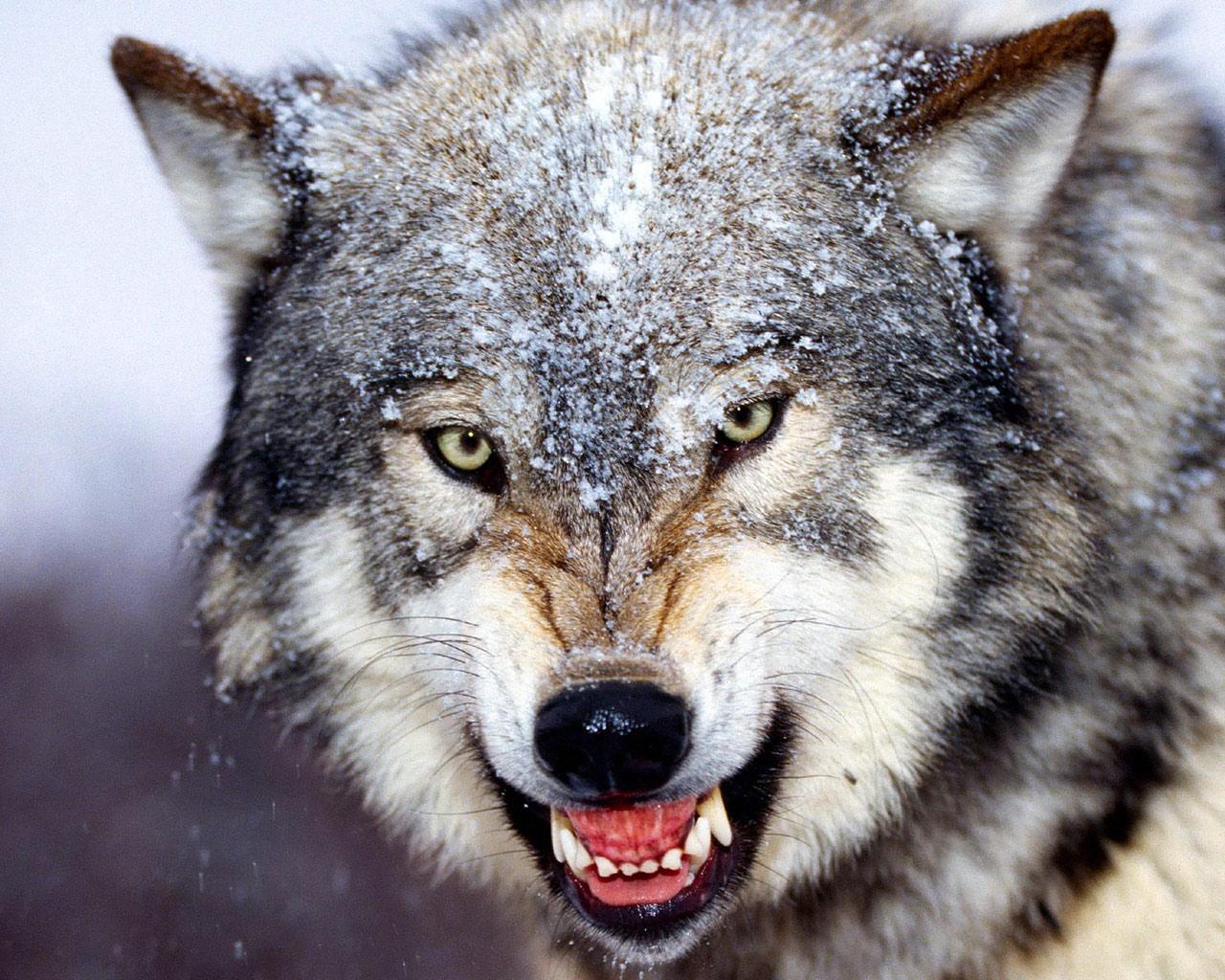
 Siberian Wolf
Story by Warrigal Mirriyuula
You all know what a sucker I am for a good dog yarn; so when I came across some recent research regarding the genetic and morphological variation in domestic dogs I was immediately drawn to a study that articulates the human determined direction of domestic dog evolution over the past 10K years, and specially the effect of human selection in confirming Darwin’s theory. Human intervention has allowed dogs to follow their own evolutionary paths, dumping Darwin’s soundbite, ‘survival of the fittest’, and proving him right in the bargain. The study was conducted by biologists Chris Klingenberg, of The University of Manchester and Abby Drake, of the College of the Holy Cross in the US.
Published in The American Naturalist on January 20, 2010, the study compared the skull shapes of domestic dogs with those of different species across the order Carnivora, to which dogs belong along with cats, bears, weasels, civets and even seals and walruses.
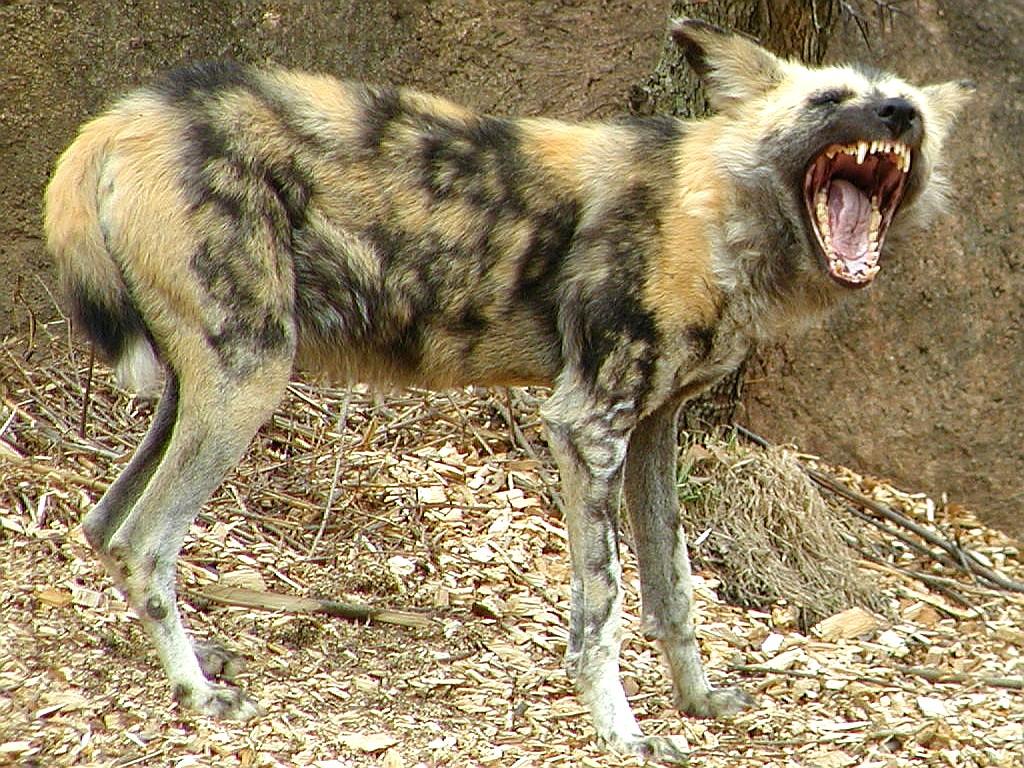 African Wild Dog
It found that the skull shapes of domestic dogs varied as much as those of the whole order. It also showed that the extremes of diversity were farther apart in domestic dogs than in the rest of the order. This means, for instance, that a Collie has a skull shape that is more different from that of a Pekingese than the skull shape of the cat is from that of a walrus.
Dr Drake explains: “We usually think of evolution as a slow and gradual process, but the incredible amount of diversity in domestic dogs has originated through selective breeding in just the last few hundred years, and particularly after the modern purebred dog breeds were established in the last 150 years.”
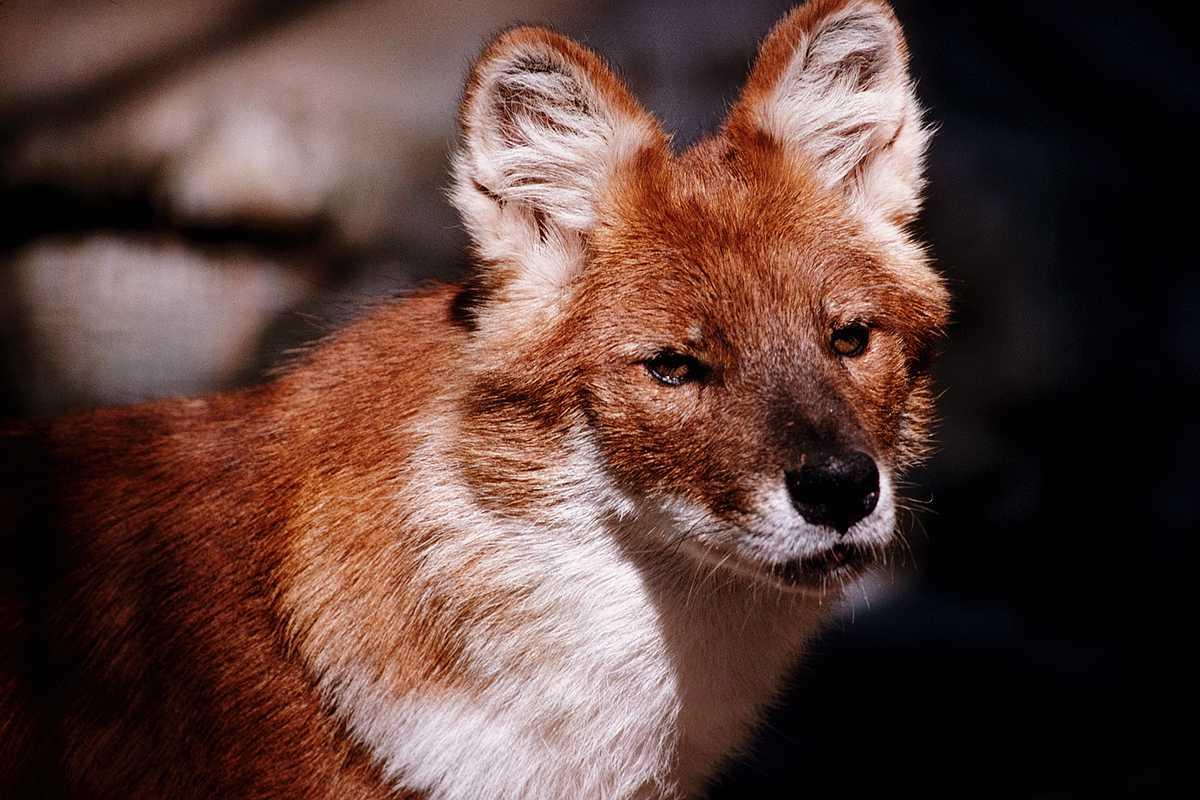 Asian Wild Dog
By contrast, the order Carnivora dates back at least 60 million years. The massive diversity in the shapes of the dogs’ skulls emphatically proves that selection has a powerful role to play in evolution and the level of diversity that separates species and even families can be generated within a single species, in this case in dogs.
Much of the diversity of domestic dog skulls is outside the range of variation in the Carnivora, and thus represents skull shapes that are entirely novel.
Dr Klingenberg adds: “Domestic dogs are boldly going where no self respecting carnivore ever has gone before.
“Domestic dogs don’t live in the wild so they don’t have to run after things and kill them — their food comes out of a tin and the toughest thing they’ll ever have to chew is their owner’s slippers. So they can get away with a lot of variation that would affect functions such as breathing and chewing and would therefore lead to their extinction.
“Natural selection has been relaxed and replaced with artificial selection for various shapes that breeders favour.”
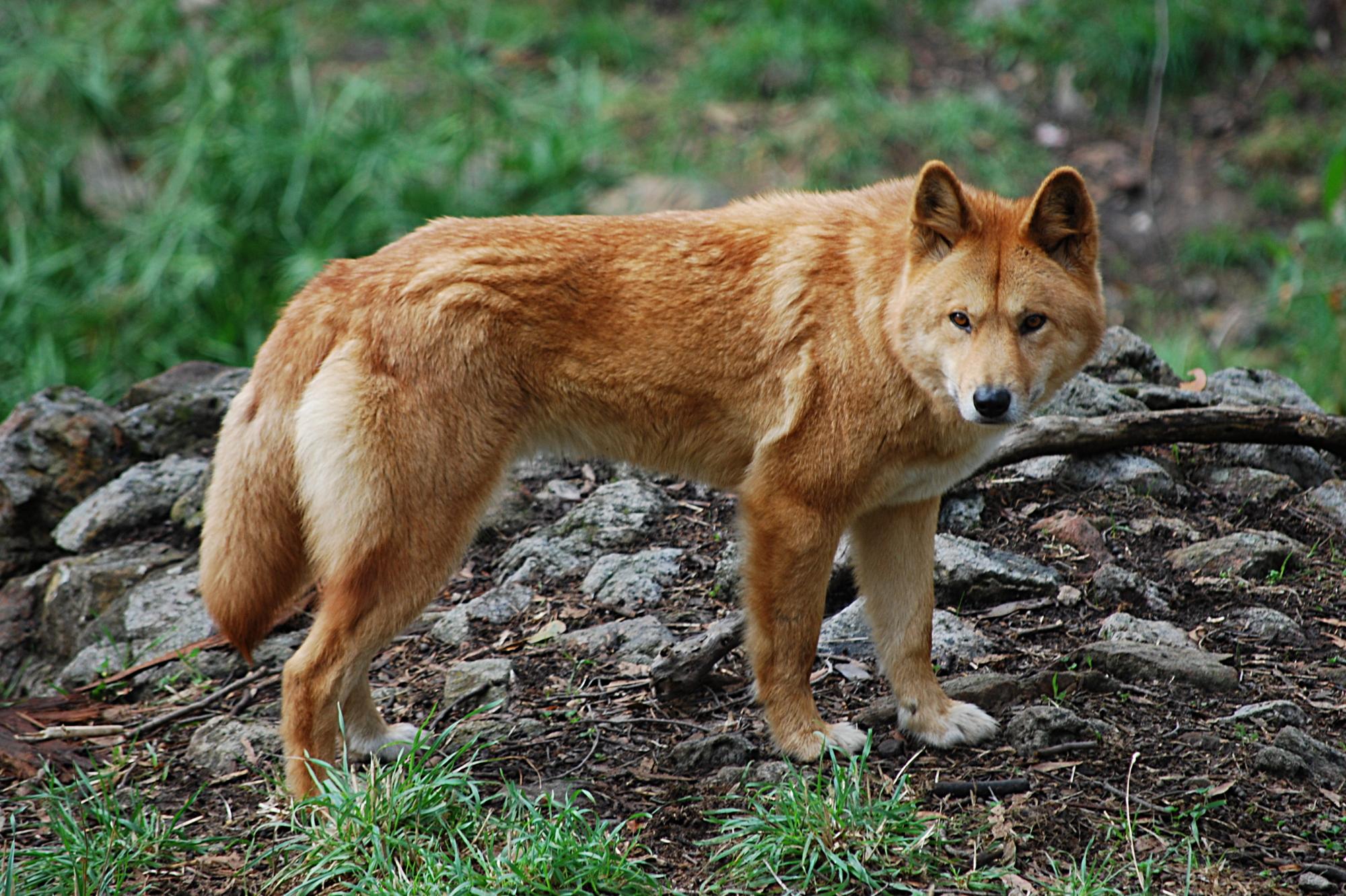 Dingo
DingoDomestic dogs are a model species for studying longer term natural selection. Darwin studied them, as well as pigeons and other domesticated species.
Drake and Klingenberg compared the amazing amount of diversity in dogs to the entire order Carnivora. They measured the positions of 50 recognizable points on the skulls of dogs and their ‘cousins’ from the rest of the order Carnivora, and analyzed shape variation with newly developed methods.
The team divided the dog breeds into categories according to function, such as hunting, herding, guarding and companion dogs. They found the companion (or pet) dogs were more variable than all the other categories put together.
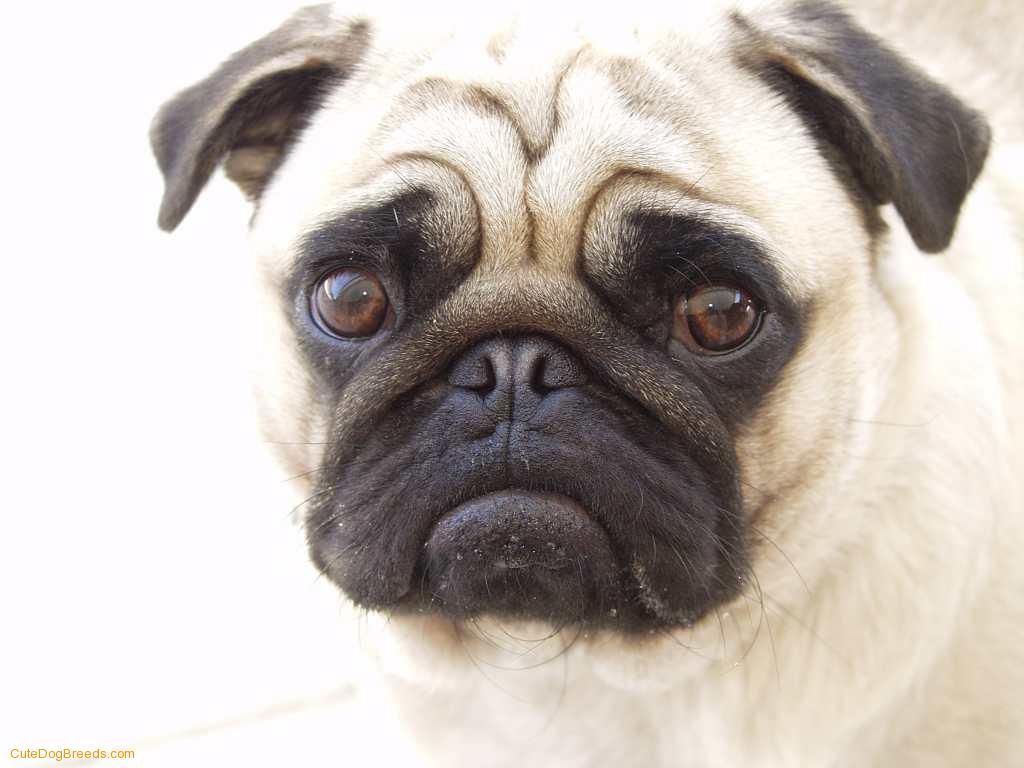 Pug
Pug
According to Drake, “Dogs are bred for their looks, not for doing a job so there is more scope for outlandish variations, which are then able to survive and reproduce.”
Dr Klingenberg concludes: “I think this example of head shape is characteristic of many others and is showing it so clearly, showing what happens when you consistently and over time apply selection.
“This study illustrates the power of Darwinian selection with so much variation produced in such a short period of time. The evidence is very strong.”
Story Source:
Adapted from materials provided by University of Manchester.
Journal Reference:
1. Chris Klingenberg and Abby Drake. Large-scale diversification of skull shape in domestic dogs: Disparity and modularity. The American Naturalist, January 20, 2010
 Window Dresser's Arms, Pig & Whistle
I don’t know/remember, if I mentioned this on the last dog blog, but I saw a programme on telly about a Russian women who kept and studied foxes?
It was fascinating with lots of film clips and commentary. She domesticated some, but not all.
LikeLike
Yes,
I remember the program. This woman in Russia used to walk along the foxes in their boxes. (fox boxes) Hundreds of them. She would breed from the most docile and those that were the least in snapping at her hands while touching the protective cage wire.
Footage showed her having bred foxes that were friendly, licking her face and as domesticated as dogs. She proved that by selective breeding, the original ferocious animal can change into the friendly pet of today.
Of course, with certain breeds of dogs, they can revert to their original wildness and can attack. A couple of days ago, three people were admitted to hospital from a dog attack.
LikeLike
When I’m throwing sticks for mine, I avoid doing it near Staffies and boisterous dogs.
We have two lakes within 2km, which I take the dogs to at 6.50 am & approx 4.30 pm every day. They loveswimming and fetching sticks, but everynow and again there are badly behaved dogs who compete for the sticks.
Our Blenheim had an operation after being attacked by a chow last year.
The owner of the chow has two on long leads which she can’t manage properly──and she used to let them loose.
Anyway she has been warned by the council that the black one (which has had a go at other dogs), is never to be off the lead.
6:35 here on The Coast: so off to the park shortly.
LikeLike
My dog is barking right now. He can hear an echo from a little terrier across the canal.
They are just letting each other know that they have their own little space.
LikeLike
Pugnacious? Surely not derived from dear pug?
LikeLike
Of course, Milo is the most outstanding example of Jack Russell. No matter where one goes, people break out in a smile. I have now developed a walk around the cricket oval where he has the room to run around, does a shit facing the oval, then we take him along the main street, where he gets patted by young and old.
Helvi’s arm is a real bummer. There are so many things you need two hands for. She hates painkillers and medicine in general. Still, tomorrow a new cast. Fibre glass one which is supposed to be waterproof.
She slipped down a water logged grassy slope and the xray showed a fractured wrist bone. We have a retired nurse as a neighbour from Norwegian background who has perfected a good sling.
LikeLike
We’re all sorry to hear about Helvi’s arm. If there’s need for pressure area care, bedpans and such, then the Male Nurses union will send over some representatives to help out.
Fibreglass cast should be great, she can resume bodysurfing and shark-wrangling!
LikeLike
I can’t seem to get rid of the last dog picture having a striking resemblance to O’Farrell. I don’t mean that derogatory.It is a sweet looking doggy, but…. Perhaps once you see a connection and visualize the connection it is difficult to shake it off.
LikeLike
Good old Fatty O’Barrell?
LikeLike
Yes, he (O’Farrell) has a way of drawing his face together before announcing something, a kind of facial concentration or pinching, just before the words he wants to say. At that moment he looks or certainly morphs for just split second into that picture of Waz’s pug.
Just have another good look, tell me if I am loosing it, or is it a bit true?.
LikeLike
I agree!
LikeLike
i was trying to to see if any of them reminds me of abbott…
i came to the conclusion that even the most dangerous and ugly dog is never as bad s abbott.
LikeLike
How did he get the nickname “fatty”, Big?……Has he lost weight? I never took any notice of him until a few weeks ago.
LikeLike
He’s lost weight, he used to have jowells like a mastiff!
LikeLike
Woof woof woof.
LikeLike
BOF=Boring Old Fart
LikeLike
So Hung, did BOF get you out of hibernation, or have you been playing cricket…
LikeLike
Pocket billiards, more like.
LikeLike
See, I was right when I urged Gerard to re-post this dog story, it’s even popular in America… 🙂
LikeLike
I put it up because Helvi, (with the fractured wrists) who always follows the stats. noticed that this is one of the most often read pieces and seems to remain so. The ‘Leeds Piss Up” is another one that seems to hit the spot. I can understand yours to be popular but it is a mystery about the Leeds one. Perhaps there are a lot of people who like Leeds or Pissing or the combination of both. Perhaps it is an English thing.
LikeLike
I’ve obviously not been paying enough attention. What happened to H?
LikeLike
I love that pic of the wolf and that African Painted Dog, apparently it’s now politically incorrect to call them African Wild Dogs, is one handsome animal. Must have a touch of the Mongrel in him.
Why did you stick this one up again G? Not that I’m put out in any way. In fact I’ve just been re reading those papers again. I do love a good dog yarn.
LikeLike
I missed it the first time around.
You are definitely a dog lover, Warrigal, if I might say so in the probably vain hope that some twisted mind will not reinterpret it. I suspect the whole article was just an excuse to put up lots of dog pictures. 🙂
LikeLike
Yeah, bit of a sap for dogs, me. Never met a dog I didn’t like. Even the badly behaved ones.
LikeLike
I just took my little West Highland Terrier for a walk. He spent some time talking to a beautiful Samoyed, two extremes, the only similarity is that they’re both white and have four legs!
Yes, Waz, dogs are fascinating, and I think us humans probably owe them a much bigger debt than we can imagine. Our Fergus is a funny little dog. mrs m was quite ill when he was young, so now he must think that anyone who sleeps during the day needs company. When one of us is working nights, he spends the whole day trying to get into the bedroom to be with us.
LikeLike