I’m not that much of a fan of the Christmas Music genre, I find most of it to be shlock. This one is different. This album sets the tone beautifully, 22 tracks over 75 minutes. I’ve some favourites, two worth a special mention “Tapu te pō (O holy night)” sung by Marlon Williams in te reo Māori is hauntingly beautiful and “In the hot sun of a Christmas Day” a cover of Caetano Veloso’s 1971 song of the same name. Enjoy.
Mike Nesmith could be dismissed as the son who’s mother invented Liquid Paper or part of a Television pop rock band but he was much more. Over time he became quite frustrated with the band’s manufactured image of which he was the most vocal.
He was a song writer as well as being a music & video producer. He is considered to be a pioneer of Country Rock.
This list highlights songs he wrote for The Monkees as well as The First National Band and his solo efforts. There are also songs he wrote, performed by others.
Last Train to Clarksville – The Monkees
Pleasant Valley Sunday – The Monkees
I’m a Believer – The Monkees
A little bit me a little bit you – The Monkees
Joanne – Mike Nesmith and The First National Band
Different Drum – Mike Nesmith
Mary Mary – The Monkees
Propinquity (I’ve Just Begun to Care) – Mike Nesmith and The First National Band
For the second part I’ve concentrated on three, Rita Coolidge, Leon Russell and Joe Cocker. The selected are all from the 1970’s. Sit yourself down and A song for you are songs about or inspired by Rita Coolidge.
(Your love keeps lifting me) higher and higher – Rita Coolidge
We’re all alone – Rita Coolidge
Sit yourself down – Stephen Stills
A song for you – Leon Russell
A hard rains a-gonna fall – Leon Russell
Tight Rope – Leon Russell
Roll away the stone – Leon Russell
If I were a carpenter – Leon Russell
With a little help from my friends – Joe Cocker
She came in through the bathroom window – Joe Cocker
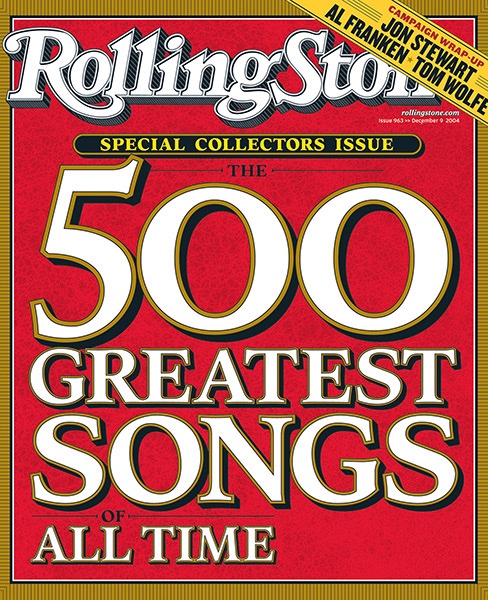
Last month Rolling Stone Magazine released their 500 best songs of all time. They did the same thing in December 2003which was referred to as the 2004 list, so it could be said a generation has passed since that list was prepared. The 2021 list has many songs from the 90’s, 00’s and 10’s and less from earlier decades particularly the 50’s, which probably reflects the contributors to the latest. In the new list only one songcomes from the period between 2004 and 2021 and only four of the top 10 from 2003 survive in the latest. Dreams by Fleetwood Mac didn’t even appear in the 2004 top 500.
The most represented year in the current list was 1971. The decades with the most entries in both lists were the 60’s and 70’s, nearly 70% in the 2004 and around 50% in the 2021. The 80’s and 90s account for about 30% in the latest list compared with half that in the previous.
The number in brackets is the songs place in each other’s list.
This week’s presentation is a request and one that has been an enjoyable dive into the album and the backing musicians involved. This is the first in a two part series which looks at the album and the songs behind the name.
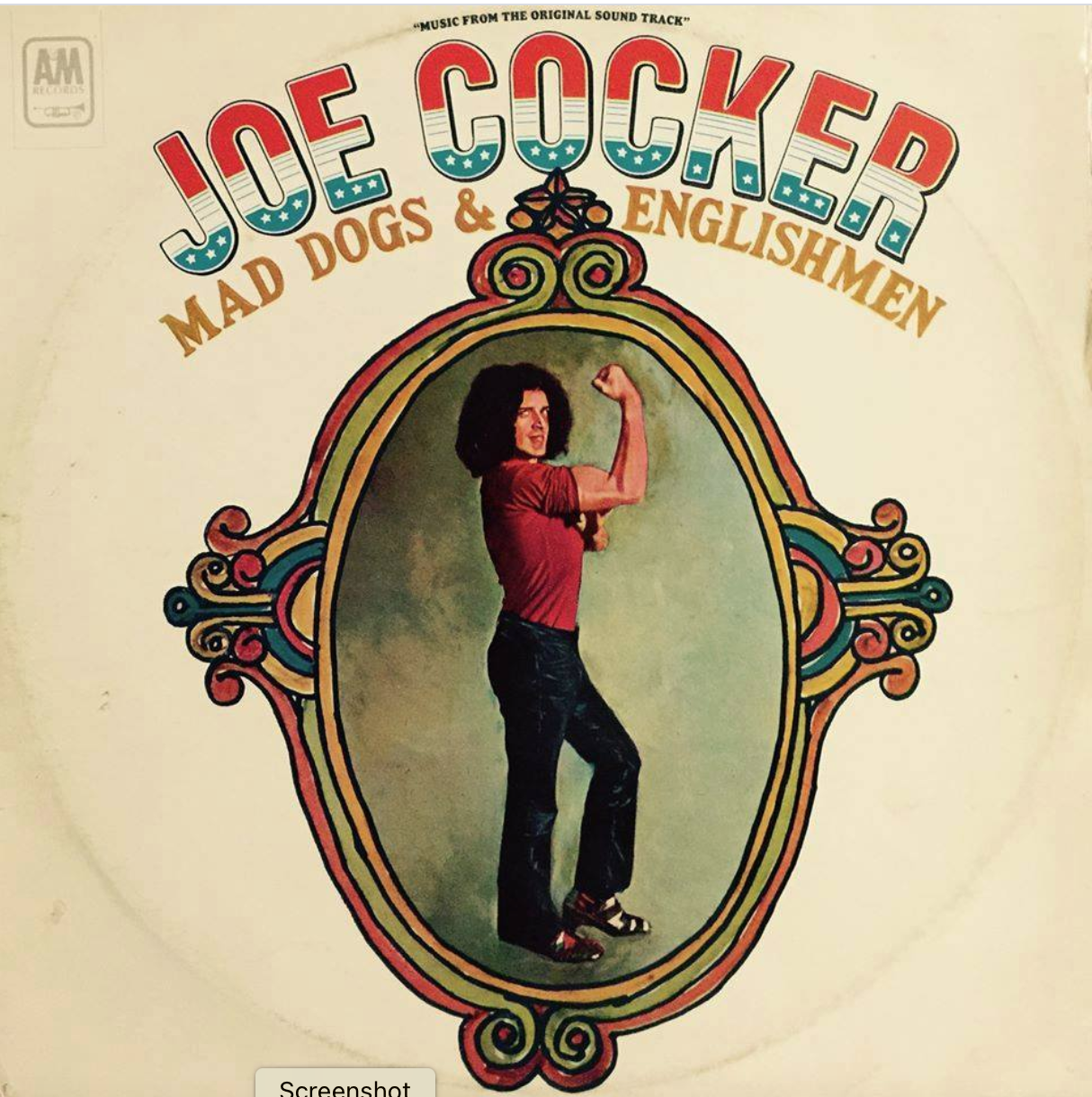
Joe Cockers Mad Dogs and Englishmen was the product of live concerts in Filmore East, New York City on 27-28 March 1970 with the album released in August that year. The name comes from the 1931 recording by Noel Coward of the same name along with Leon Russell’s Ballad of Mad dogs and Englishmen. Only four of the songs on this album came from Cockers first two studio albums; Delta Lady, Girl from the North Country, She came in through the bathroom window and Bird on a wire.
The album borrows heavily from The Rolling Stones, Traffic, Bob Dylan, the Beatles, Ray Charles, Otis Redding & Sam and Dave. Leon Russell also wrote three of the songs as well as producing the album along with Denny Cordell.
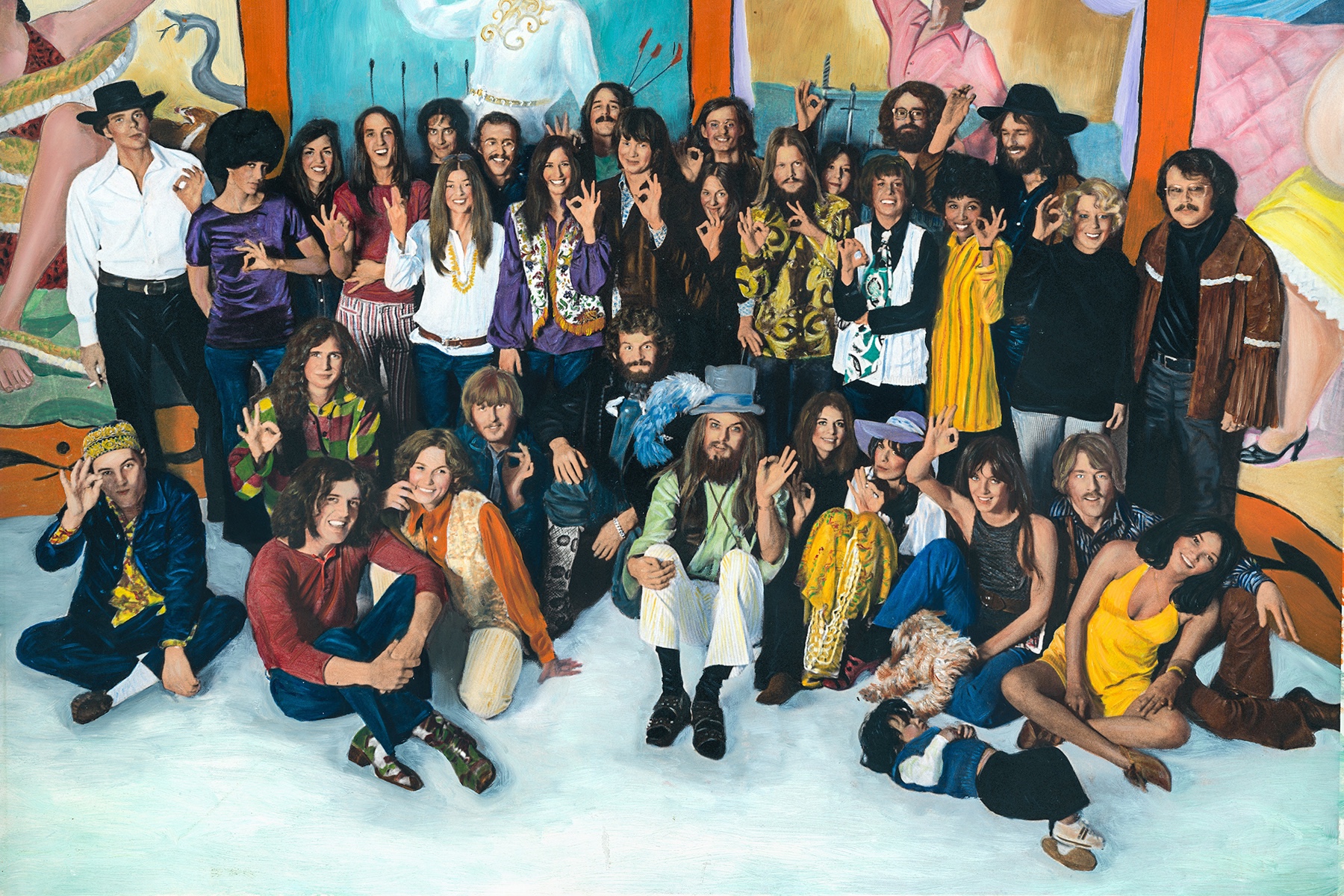
The album featured Joe Cocker, Rita Coolidge, Donna Washburn, Claudia Lennear, Denny Cordell, Daniel More, Pamela Pollard, Matthew Moore, Nicole Barclay & Bobby Jones on vocals. Leon Russell on lead guitar, piano, vocals and backing vocals. Don Preston on guitar, vocals and backing voacls, Chris Stainton on organ and Piano. Cark Radle on bass guitar, Jim Gordon, Jim Keltner, Chuck Blackwell on drums. Chuck Blackwell, Sandy Konikoff, Bobby Torres on percussion, Jim Horn, Bobby Keys on Saxophone and Jim Price on Trumpet.
The next part will explore some of the work from some of these musicians.
Over the past couple of weeks there have been many suggestions in the Letters page of the Sydney Morning Herald describing the Pandemic, politicians and the general lockdowns. So many contributions, including one from me, they seem to keep printing them.
This and the next volume aren’t all of them but represent a large section.
1971 was arguably the finest year for modern music. These seminal albums released in the first half of 1971 need little in the way of introduction. Enjoy.






 Window Dresser's Arms, Pig & Whistle